 There is no DVD sewn into the back of “Blended: Using Disruptive Innovation to Improve Schools,” a new book by Clayton Christensen’s acolytes, Michael B. Horn and Heather Staker. Instead, there are QR codes and URLS. If I’m reading with an iPhone or an iPad nearby, and I happen to have a QR reader installed, I can watch Clip #15, which shows how the Quakertown Community School District produces A La Carte courses to provide students with flexibility.” Sometimes, the QR code reader doesn’t do it’s job effectively, so it’s helpful to have the URL printed below the bar code. In fact, I am writing about “Blended” on an iMac, which does a lousy job reading QR codes with its built-in camera (too hard to bring the book up to the camera, then focus, etc.) So: what we have here is a blended solution, a book that relies upon videos to tell its story in an era when books lack any means to display a video except via an external device. And a free chapter to read.
Add a whole lot of scale, and many more people, and the problem of blended schools begins to take shape. We still have school buildings and classrooms, and millions of students making their way through a traditional curriculum, but many of those students now use digital devices to pursue their own interests, and most of these pursuits are individual activities, not collective learning experiences. So we do the best we can with a hybrid situation that will probably last a long while. The authors attempt to classify, codify and otherwise organize what we know and what it means, but they’re fully cognizant of the strange situation they are describing. And they are trying to make the best of it.
Quite reasonably, they begin with the now-commonplace thoughts on “Why Factory-Model Schools Fall Short Today,” and “Why Schools are Reaching a Tipping Point,” the latter detailing desire for personalization, desire for access and desire to control costs as three significant discussion points. They describe four common K-12 blended learning models: Rotation, Flex, A La Carte, and Enriched Virtual, then drill down on several Rotation models: Station Rotation, Lab Rotation, Flipped Classroom, and Individual Rotation. Huh? To explain this not-so-helpful taxonomy, they break a rule of book publishing. They follow each chapter with its own appendix! Brilliant! I flip the page at the end of the chapter, and there are more pages to explain the concepts in more detail.
After reading the definitions, I was unimpressed with the current state of the taxonomy. Pretty much, some work is done online, some is done in the classroom, some involves more teacher interaction and some involves less. Lots of diagrams attempt to explain these very basic ideas—which aren’t all that different from learning during the 20th century, as some students were allowed more or less freedom based upon their own initiative and the teacher or school’s flexibility. (Important not to overthink these ideas, and also, not to rely too heavily on what seems to be impressive technology circa 2015).
The authors are Christensen people, so they tell the best stories about innovation and obsolescence. My favorite one—clearly told to agitate the laggards—goes like this:
…seeing steam’s potential, the old sailing-ship companies that specialized in wind-powered transoceanic travel did not completely ignore the new technology. The only place they could even think about using steam power, however, was their mainstream market—to help them build ships that would cross entire oceans even more efficiently. They had little motivation to refocus on inland waterway customers, given that they had the opportunity to build even bigger, more profitable ships to cross the oceans. Not wanting to dismiss steam power entirely, however, sailing-ship companies searched for the middle-ground. They ultimately pioneered a hybrid solution, one that combined steam and sails. In 1819, the hybrid vessel Savannah made the first Atlantic crossing powered by a combination approach; in truth only 80 hours of the 633-hour voyage were by steam rather than sail… The wind-powered ship companies never made a true attempt at entering the pure disruptive steamship market—and ultimately they paid the price. By the early 19o0s, the steam-powered ships, which started in those inland waterways that looked so unattractive to the wind-powered ship companies, became good enough for transoceanic travel. Customers migrated from sailing ships to steam-powered ships, and every single wind-powered ship company went out of business.”
And so, the authors ponder, “What will become of schools?,” how to design teams to innovate, “The Cost of Getting It Wrong,” and so on. This is a practical book, a companion or “field guide” to a previous book called “Disrupting Class” that is filled with the theory that makes these practical approaches work. Both are worth reading, both for educators and parents, and for those in businesses or other situations that are not yet equipped with the large-scale change that the 21st century seems destined to spread to so many of aspects of daily life.

 n the surface, this is clear, but it’s made more clear by the Justice’s twenty pages of commentary. In that endeavor, I’m sometimes a fan—his historical and contextual understanding is, well, supreme, but his ability to connect with a broad audience sometimes falters. The history becomes too complicated, the issues too tangled, nods to other justices sometimes adding complexity. On the other hand, we’re talking about a book that’s less than 150 pages and contains a whole lot of provocative, clearly presented material.
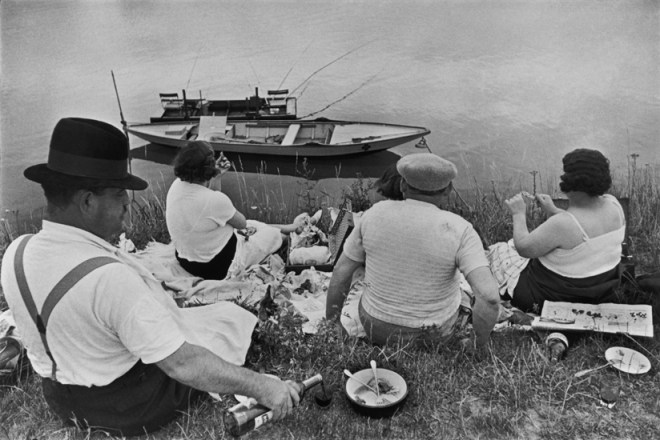

 With digital publishing, the rules don’t apply—and for so many reasons. For example, publishers need not limit the number of titles they publish for any practical reason—there is no scarcity of shelf space. (They may limit releases due to marketing considerations, but that’s another story altogether.) Of course, bookstores are helpful parts of the marketing and distribution system, but they are no longer mandatory—Amazon ships just about any book, next day.
 Walter Isaacson is one of the smarter people in the media industry. As a keynote speaker for this past week’s Digital Book World conference, he talked about the limitations of his most recent book,
  For example, maybe a digital book is not a book at all, but a kind of game. Scholastic, a leader in a teen (YA, or Young Adult) fiction publishes a new book in each series at four-month intervals. The publisher wants to maintain a relationship with the reader, and the reader wants to continue to connect with the author and the characters. So what’s in-between, what happens during those (empty) months between reading one book and the publication of the next one in the series? And at what point does the experience (a game, a social community) overtake the book? NEVER! — or so says a Scholastic multimedia producer working in that interstitial space. The book is the thing; everything else is secondary. In fact, I don’t believe him—I think that may be true for some books, but the clever souls at Scholastic are very likely to come up with a compelling between-the-books experience that eventually overshadows the book itself.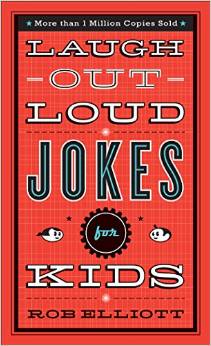


 was an extraordinarily clear thinker about things that matter. That clarity, and her passion, and her just-plain-good writing are the reasons why I will spend the winter reading every one of about fifty articles and essays in a book that her daughter Nona put together. It’s called “The Essential Ellen Willis.” I’m guessing you won’t find it in many bookstores despite the best efforts of the University of Minnesota Press, but it’s certainly available online. For someone who enjoys smart writing with more than a small dose of social conscience, it’s an ideal holiday choice.







 Okay, more about Jules before begin. Actually, you get a fair sense of him from his 2008 cartoon for NYC’s Village Voice. I found it on Wikipedia. He won a Pulitzer Prize for political cartooning, was awarded a lifetime achievement award by the Writer’s Guild of America, and he’s got his place in the Comic Book Hall of Fame. And now, he’s got this new book.
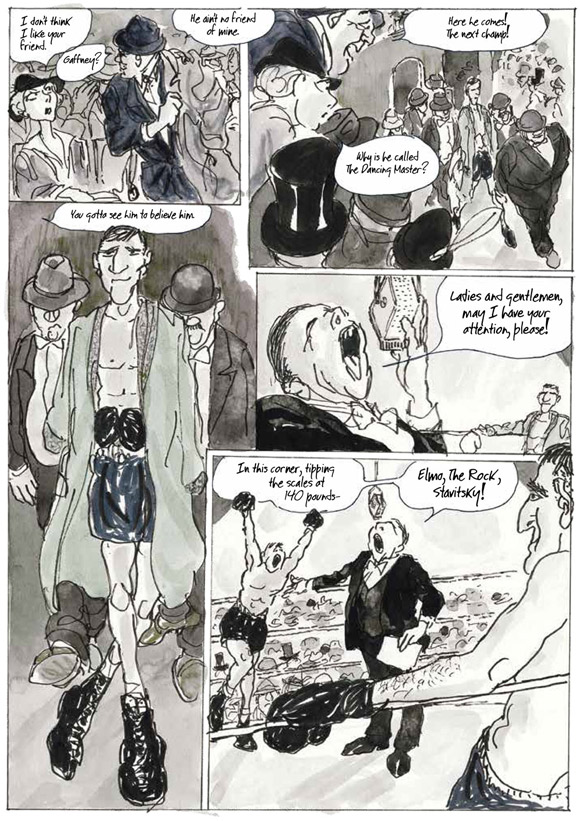
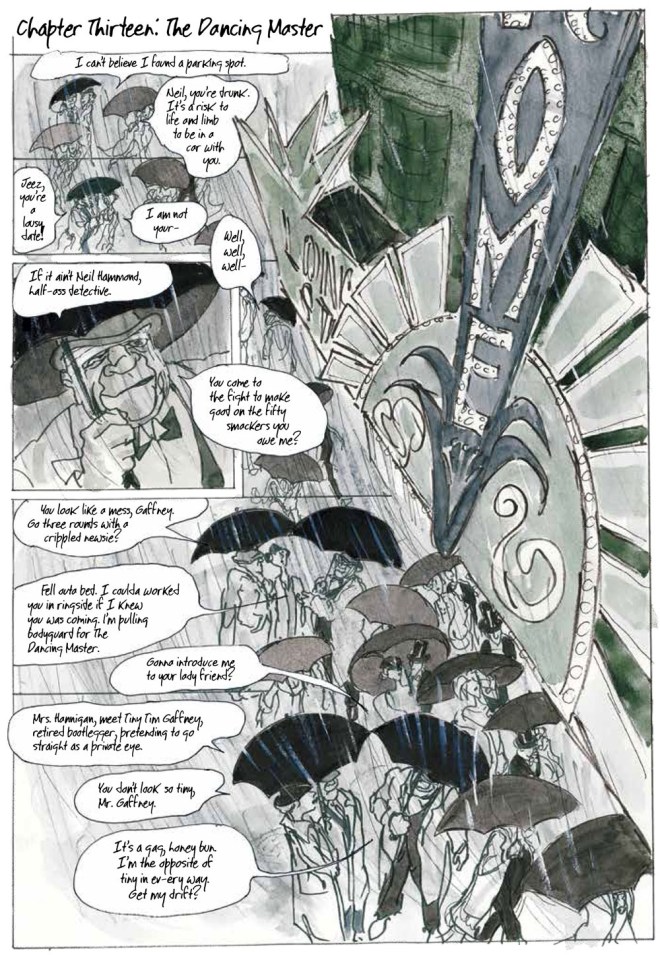
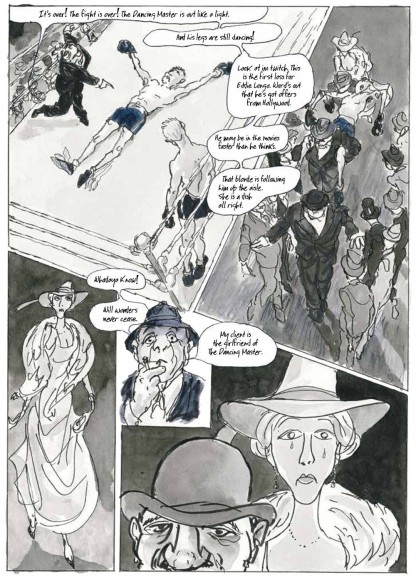
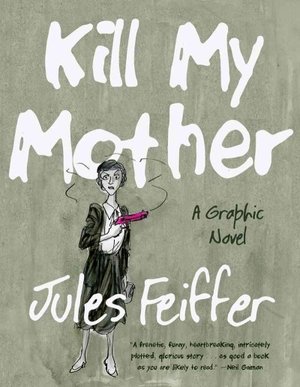 In theory, it’s the book that drives the story, but in practice, here, it’s the pictures. Actually, it’s the whole page, the whole well-designed, elegantly organized duotone watercolors and pen-and-ink that feel so dark, so thick with intrigue. Most of the book is rendered in sepia—not the old tones of photographs, but lively, contrasty, vaguely seedy renditions of what otherwise might have been black. The accent is usually a very pale green, the color of a Hollywood swimming pool on page, a cadaver on the next.
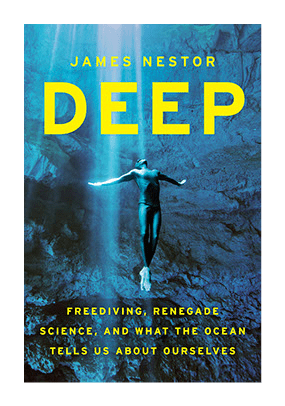 Freediving is “the most direct and intimate way to connect with the ocean.” During a three-minute freedive, “the (human) body bears only a passing resemblance to its terrestrial form and function. The ocean changes us physically, and psychically.” Unfortunately, “sometimes you don’t make it back alive.” Those words were written by James Nestor in his new book, “Deep: Freediving, Renegade Science and What the Ocean Tells Us about Ourselves.” It’s one of the best books I’ve read this year, an introduction to a part of our world that is unfamiliar to nearly everyone on the planet, and an adventure story, too.


 Digital Insider