You may recall Microsoft’s Surface–kinda looks like an iPad, but it’s a real Windows 8 computer in a very thin portable package. As an iPad user, I am jealous of the Surface’s nicely designed flat keyboard, and the way it’s built into the iPad-like front cover of the device. I like the way Windows 8 looks, but the story fell apart for me when I realized that so much of Windows 8 is, sadly, a lot like Windows 7, which was too much like earlier versions of Windows for me to switch back to the Microsoft side.
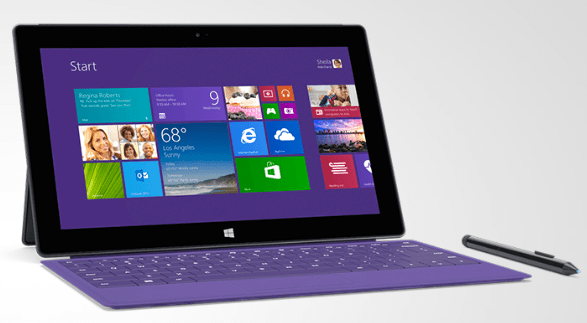 Well, it may be time to reconsider. The new Surface 2 and Surface 2 Pro are coming, There’s a new metallic look that brings the device into the iPad category, at least in terms of the way it looks and feels. Think in terms of a MacBook Air when you consider that the SSD drive (the solid state drive) can be upgraded to 500 GB, and the Haswell (same as Air) processor is fast, efficient, and gentle on battery life. It costs nearly a thousand dollars ($899, and that’s not fully loaded)–seems a bit high to me–but it comes with some free cloud storage, and a free year of international Skype calling, which may turn this into a terrific deal for some users. (The ordinary Surface 2 has lesser specs and costs about half as much, still quite a bargain for someone who adores Windows 8, full computer functionality and an iPad-style form factor).
The “Touch Cover” is much improved, too, with many more sensors for an experience that feels both more reliable and more like a true computer keyboard. Given the price of the whole device, I think the cover should be part of the package, and not a $100+ add-on. At perhaps twice the price (price not yet announced), here’s something very cool: a Power Cover–that is, a Touch Cover with a built-in battery supply that you can use to nearly double the computer’s own battery supply. Very nifty idea.
And, there’s a dock with a USB 3.0 jack, and so on. Gee, I wish there was something just like that for an iPad–sometimes! At other times, I find myself quite happy with the well-designed, deeply limited range of options for the iPad. It does what it does, it does the job about 98% of the time, and it’s both reliable and easy. When I see a Windows computer anywhere nearby, “easy” is rarely a word that comes to mind, but I’m the first to admit that, after decades of life as an Apple guy, I may not be seeing things clearly.
If you’d like to know more about the new Surface products–the Surface 2 and the Surface Pro 2, try these stories:
Tech Crunch: Meet Microsoft’s Surface 2 and Surface 2 Pro
The Verge: Hands-on with Microsoft’s New Tablet Powerhouse
PC Magazine: Microsoft Surface 2 vs. iPad Showdown
USA Today: Microsoft’s Surface Pro 2: So Right But So Wrong


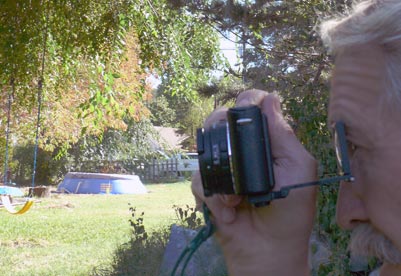 (For cameras with a hot shoe–the place where you would insert a flash, a similar model is available. The difference: the magnifier is suspended from the top, not connected to the bottom of the camera.)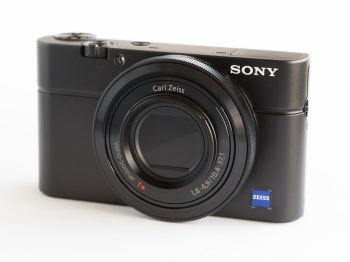


 Yeah, well, my list isn’t very long, either. Easy enough to list Mao, Chang Kai-Shek, Chao en-Lai, maybe the classical pianist Lang Lang, and the basketball player Yao Ming. Maybe Jet Li, who is probably from Hong Kong (I checked; he is from Hong Kong).
 There are good stories about emperor Kublai Khan, and the beginning of Chinese drama as initiated by Guan Hanqing. You may know Zheng He, an admiral who led a large fleet to Africa and other far away places a few decades before Christopher Columbus was toilet-trained (I wonder whether there were toilets in Genoa in the 1450s?) Rumors about Zheng He discovering the American mainland are, apparently, quite wrong, the work of someone who mistranslated Chinese historical documents.
 Where does this lead? And how do we even begin to think about the future when so much television viewing is now on-demand and so much audio listening is via Pandora, podcasts,
 Now that I’ve written that title, let me check.
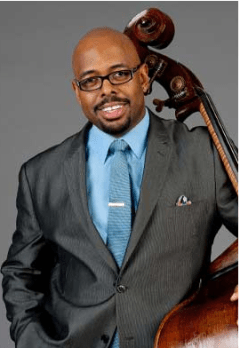
  Jarrett’s work is immediately magical, glorious in its improvisation and sonic exploration. He’s been doing these albums for decades, and yet, every time I put a Jarrett CD on (or, for that matter, an LP), I’m immediately transported into the filagree of his imagination, sipping a drink at an after-hours jazz bar where the player is extraordinary and I just don’t want the evening to ever end. Recorded live at the KKL Luzern Concert Hall, the CD called Somewhere begins with the mind-bending “Deep Space,” and here, it’s Jarrett’s show with just the right additional color and light provided by double bassist Gary Peacock and drummer Jack DeJohnette; later in the track (the second part is Miles Davis’s “Solar,” their interplay moves the music into an even more interesting exploration, a testament to the extreme skill, experience and love of experimentation that these three musicians consistently offer. So that’s one track, again the first, and again, a favorite. (And I suppose I should mention that the sonic fidelity of these recordings is at such a high level, it would be difficult to imagine a disc sounding any better.) There are some favorite standards here (mine, anyway); it’s difficult for me not to be captivated by Leonard Bernstein’s “Somewhere;” and the less-often-heard “Stars Fell on Alabama” and the Jimmy van Heusen- Johnny Mercer tune, “I Thought About You.” Ooops–I’m listening to the wrong track–that’s really catchy, and less schticky than I remembered: “Between the Devil and the Deep Blue Sea”–well, a little schtick for me. Back to the dark night sky and mystery of “Stars Fell…” and my mind easily drifts to Perseids and stardust. What a lovely album.
 The old guy in the crowd–Gary Burton is 70 to Keith Jarrett’s 68–opens with a Antonio Sanchez’s rocking drum, instantly establishing a more ambitious, brighter tone for the new Guided Tour, also from Mack Avenue. This is a quartet with Burton leading as one might do with a piano. Sanchez really drives this music. It’s a bigger sound than you would typically expect from a quartet. Burton is leading an exploration not entirely different from Jarrett, but more clearly articulated, more melodic, catchier. The difference is the way that Julian Lage is playing electric guitar, almost as if he’s playing in the style of Burton and his vibes on “Jane Fonda Called Again,” never passive or receding or relaxed, but instead, aggressive and punchy. Yes, they play pretty, too, working the pastoral mood on “Jackalope,” and the Latin romance of “Helena” (especially nice guitar from Lage on this one), but it is so much more fun when these guys really go for it, with Burton playing fast and strong. Best example is probably the last track, written by drummer Sanchez, called “Monk Fish.” Scott Colley is the capable, but less showy, bassist; tough to get a word in edge-wise when the other players are clearly having so much fun. Far livelier than the other two CDs, Guided Tour is a terrific introduction to the Burton’s massive catalog.
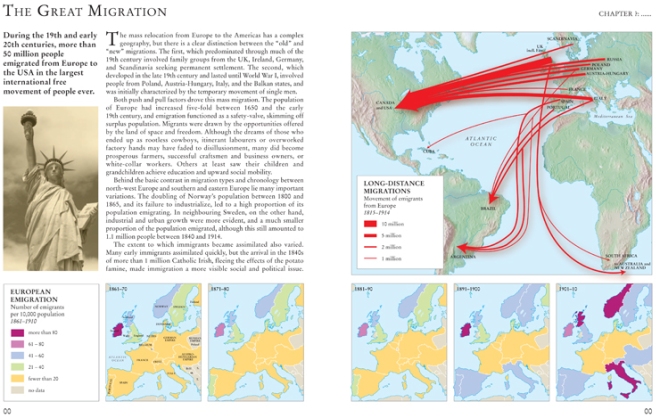 So that’s one migration. There’s another 13.5 million people moving during the period 1815-1915. Those people are moving, mostly, from Europe to America. Lots from Ireland, England, Scandinavia, and later, Spain, Italy, and eastern Europe–the peopling of America.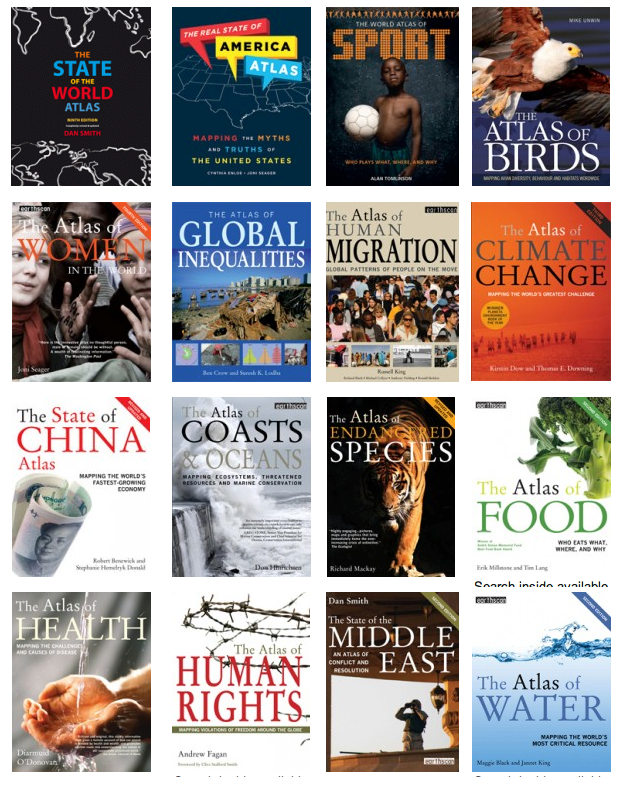


 Digital Insider