
So the new iPhone 5s includes an 8 megapixel camera. What can you do with a camera phone?
Turns out, quite a lot, especially if you happen to be an extremely skillful photographer whose credits include National Geographic.
Confirming the “it’s not the camera, it’s the photographer” theory, have a look at this work, read the article, and take the time to read the comments.
Here, then, is a sample image, a bit of the article in a Nat Geo blog, and a sampling of comments. Find it all here.
The photographer is Jim Richardson.
What surprised me most was that the pictures did not look like compromises. They didn’t look like I was having to settle for second best because it was a mobile phone. They just looked good. Nothing visually profound is being produced here, I would have to say. But it feels good, and I even noticed some of the folks on our tour putting big digital cameras aside once in a while and pulling out their cell phones when they just wanted to make a nice picture.
Alex of Virtual Wayfarer.com had this to say:
Not a fan of the either or approach that has been floating around, but definitely love the flexibility of using my phone as a camera. Scotland is incredibly difficult to photograph, so kudos for some wonderful shots. I actually find that with some vistas and views I have a much easier time capturing it accurately with my phone than my Canon. Interestingly, there were a number of shots I took on a recent Scottish roadtrip that were much better on the iphone (landscapes and Panoramas really are great on there if the light is right) than on my dSLR. Kudos!
Not quite convinced? Try the photographer’s Instagram exhibit, where you will find several dozen superb photographs. Among them, this image.

 On September 20, 2013, the U.S. Postal Service was ordered to pay well over a half-million dollars to Frank Gaylord. He is a sculptor, the artist responsible for the

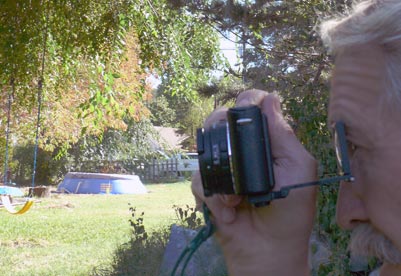 (For cameras with a hot shoe–the place where you would insert a flash, a similar model is available. The difference: the magnifier is suspended from the top, not connected to the bottom of the camera.)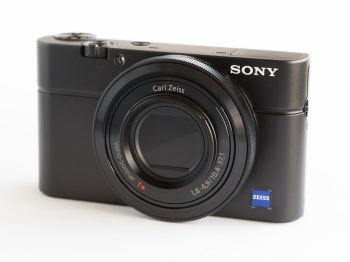





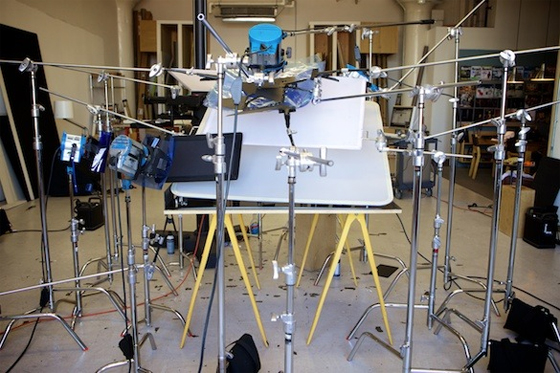
 The woman in the photograph was a poor soul, without friends, the subject of ridicule among Seattle schoolchildren. She lived in a hovel. When the growing city of Seattle cleared its native population, she remained where she was, and the city grew up around her. Kick-is-om-lo was her name, but that was difficult to pronounce, so the local folk called her Princess Angeline. In 1896, Kick-is-om-lo was paid one dollar to pose for this picture–the equivalent of what she was able to earn in a whole week–by a struggling young photographer named Edward Curtis. To say this would be the first of many such images would be a substantial understatement.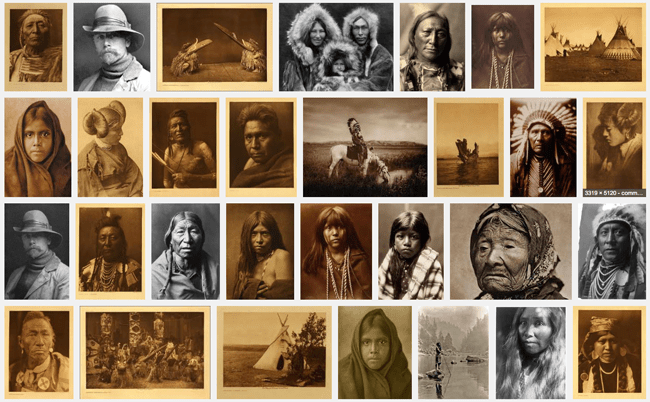
 AirStash. Simple idea: load some movies on a 8GB or 16GB SD card–the ones you use in a camera that are about the size of a postage stamp–then wirelessly connect the small AirStash device to watch movies (or review documents) on your iPad, iPhone, or Android device. It costs about $125. Use it once and you’ll carry it everywhere, as I do.
 A ZOOM Q2H2. With cameras and camcorders now built into phones, why buy a small video recorder for $199? Because the sound and the picture quality is outstanding, but the device is small. What do I mean by “outstanding?” Video: 1920×1080, 30p HD. Audio: 24 bit, 96 kHz PCM. Record the results on an SD card.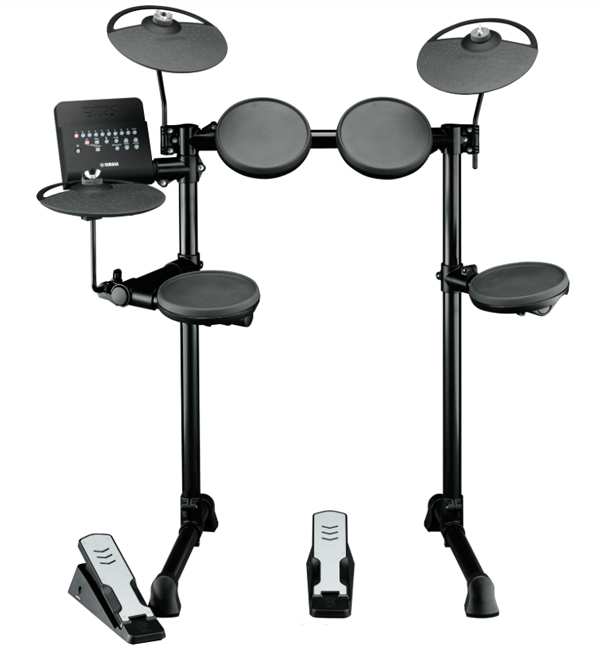


 Digital Insider