 I just finished reading a book about the New Deal, that remarkable FDR-era transformation of America for the average American. Certainly, I knew and understood pieces and parts of the story, but there were so many factors, I needed a good writer (the author won a Pulitzer Prize) to put the whole thing into context for me. The author is Michael Hiltzik, and the book is called, simply, “The New Deal: A Modern History.”
What struck me about the story was just how bumpy the ride turned out to be. There was no master plan, only a sense from FDR’s Brain Trust that things were bad, and, rather than wasting a perfectly useful crisis, they ought to do powerful good. FDR was not the mastermind, but instead, the political driver, the leader who maintained the vision and maneuvered around lots of political messes, and–nothing new here–other people in Washington who offered little assistance and, sometimes, difficult obstacles.
Mostly, though, the book made me wonder about our need, and our ability, to bring something like a New Deal into focus in this century. Roosevelt and his team worked their miracles in the 1930s, so that’s nearly 80 years ago. There was a lot of activity in the 1960s, too, beginning under Kennedy, and then, on a significant scale, under Johnson, and, since then, Obama has accomplished some good things that may last.
Given the vision, the opportunity, the need, the political will, the right circumstances, and, as with Roosevelt, the better part of a decade to get the work done, what might we hope to accomplish? I am, by no means, an expert, but I thought I’d get the conversation going with a list that seems, well, obvious. Here goes:
- The elimination of poverty in the U.S. As the theoretical administration begins to work on issues, high on that list ought to be urban poverty (1 in 3 children of color in the Philadelphia area live below the poverty line).
- Equal pay and equal opportunity for all Americans. Yes, there are laws. Now, we need programs to make those laws do the intended work.
- A rational retirement program so that all Americans can retire without fear of poverty. The New Deal got this ball rolling, but the current reality is terrifying: half of people over 70 unlikely to be able to feed themselves within the next decade.
- A modernization of the American approach to education. Too much money spent for uninspiring results, too much control in the hands of the unions, irrelevant curriculum, nearly half of high school students dropping out in the most troubled areas, out-of-control student loans and college costs, only about 1 in 4 Americans graduating college, massive shifts in technology, lack of resources, crumbling infrastructure, more.
- A modernization of the American approach to transportation. In the digital age, it’s time to rethink cars, highways, fuel consumption, pollution, driving, lack of public transportation in so many regions, lack of high-speed rail connections now available in so many other nations, lack of innovative new urban and suburban solutions.
- Government under the control of lobbyists, big money, and lifetime politicians. This entrenched thinking, these outmoded ways of operating, this political deadlock, those campaign funding rules, this list alone can keep a new Brain Trust busy for the entire decade.
- Controlling the debt. Policies and practices in this financial realm are probably just the beginning of serious rethinking our financial policies. Of course, this ought to begin at home; a few good programs might help Americans shift from a life built on credit cards to a life build on savings and investments.
- A modernization of crime and punishment. Like several of the other agenda items, this one will require a lot of interaction with state governments. The number of people in prison, and the reasons leading to their incarceration, provide sufficient ammunition for serious government programs.
- Reducing the size and complexity of government. Physician, heal thyself.
- And, swinging back to the old New Deal… Reworking Social Security for the next generations. It’s time for some serious work so that everyone, or just about everyone, can live safe and secure, especially as we are living longer, healthier lives.
No, I didn’t touch international relations, and yes, I probably missed a lot of important ideas. Still, I think we ought to get this started.
 The woman in the photograph was a poor soul, without friends, the subject of ridicule among Seattle schoolchildren. She lived in a hovel. When the growing city of Seattle cleared its native population, she remained where she was, and the city grew up around her. Kick-is-om-lo was her name, but that was difficult to pronounce, so the local folk called her Princess Angeline. In 1896, Kick-is-om-lo was paid one dollar to pose for this picture–the equivalent of what she was able to earn in a whole week–by a struggling young photographer named Edward Curtis. To say this would be the first of many such images would be a substantial understatement.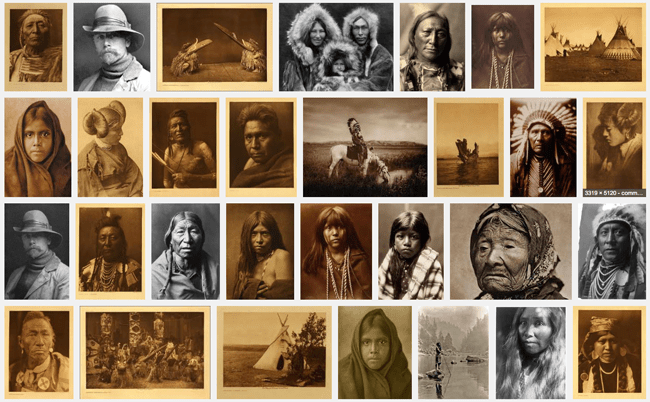
 AirStash. Simple idea: load some movies on a 8GB or 16GB SD card–the ones you use in a camera that are about the size of a postage stamp–then wirelessly connect the small AirStash device to watch movies (or review documents) on your iPad, iPhone, or Android device. It costs about $125. Use it once and you’ll carry it everywhere, as I do.
 A ZOOM Q2H2. With cameras and camcorders now built into phones, why buy a small video recorder for $199? Because the sound and the picture quality is outstanding, but the device is small. What do I mean by “outstanding?” Video: 1920×1080, 30p HD. Audio: 24 bit, 96 kHz PCM. Record the results on an SD card.
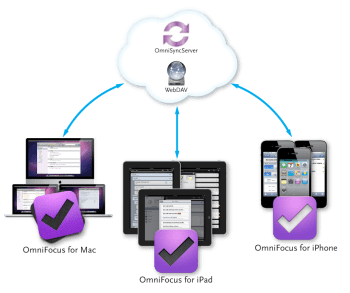 So what’s the big deal about OmniFocus? There are dozens of to-do and reminder apps, with sync, available for far less than OmniFocus.
 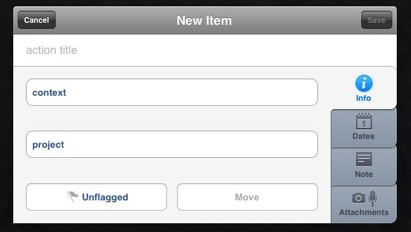 Although it is possible to make a quick task entry, the more complete entry panel is more useful. After naming the task, I select a context from my own list that includes: Awaiting Response, Call, Create, First Contact, Followup, Just Do It, On Hold, Purchase, Research, Schedule, Visit Web Site, and Write. Then, I select a project, again from my own list that includes: Art, Books, Digital Insider, Home, Music, Software, Travel, Web Site, and various, specific work-related projects. I can stop there, deciding to add a flag to any high-priority tasks, but I prefer to add a due date to every task (start dates are also an option, but I don’t work that way). There’s a nice big note field, and I use hat to capture URLs, reminders of the most recent attempted contact (left phone message on 3.13.2013; sent reminder email on 10.12.2012). I can add a photograph, .jog, .gif, .png, or record an audio message.

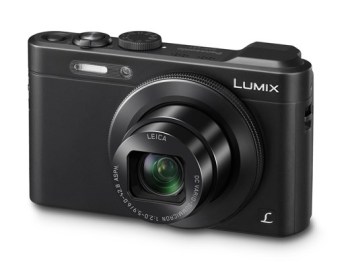


 Miss Bartell (my fourth grade teacher): Would you rather have one cookie or four cookies?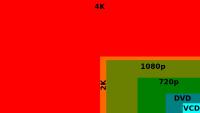
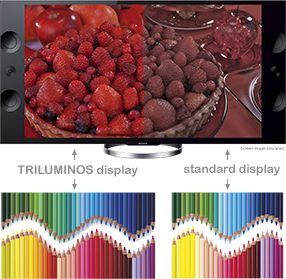 Anyway… I woke up this morning to an announcement from Sony… with all sorts of enticing promises: improved detail, improved color rendition, better audio, screen mirroring so what’s on your tablet can be viewed on your new TV (albeit it in lesser detail, a service currently available to Apple users).



 Digital Insider