 In the old days, I used to go twice a year: once to Las Vegas in the winter and once to Chicago just before summer began. There were so much to see!
This year, CES came and went, and although I wanted to be there just for the fun of it, I was surprised because I didn’t notice the usual flood of stories and cool products that I wish I had seen for myself. I suppose there are a few reasons why: many of the products of the past were driven by their own unique hardware needs, so the physical design and functionality of so many products were unique. Now, many of these innovative ideas use the same portable computer—the smart phone or the tablet—so the form factor and the functionality is less original. Often the innovative idea is iterated as software or accessory, not a whole new thing. (On the far side of this timeline, my basement is no longer quite so full of old stuff that seemed like a great idea at the time, and so, my garage sales are less frequent and less thrilling for the neighbors).
In past articles, I’ve written about the new 4K HDTVs, and now, we’re starting to see digital cameras (including a $2,000 camcorder from Sony) that can create content for the new format. New screens are curvy, which is cool, but so far, not so useful. Still, this is among the things to come that we will own within a few years—whether as part of a phone or a living room TV set.
This was supposed to be the year of the wearable computer, and that’s going kinda slowly. Pebble updated its cool smart watch, which is now smaller, heavier (but still okay), and comes with twice the memory (4MB up to 8MB). For details about this Bluetooth device, and a taste of other wearable devices from the same company, be sure to read a very helpful article on The Verge. Their article about Razer’s Nabu wristband is also interesting, perhaps more as a trend report than a piece about something you’ll be buying this summer; ditto for the backgrounder about Nuance, which is bringing Siri-like technology to wristbands another small devices.
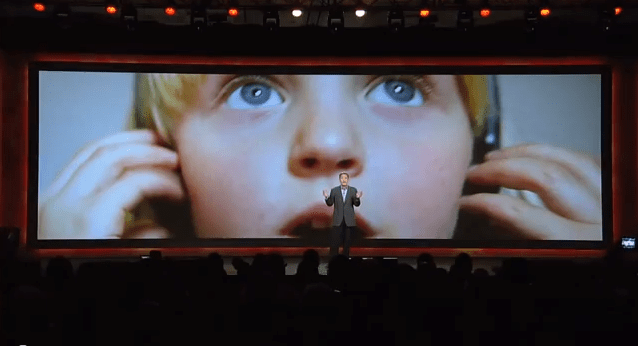
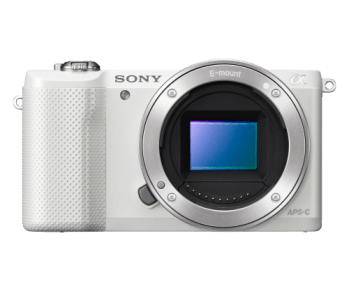 Happily, Sony is beginning to regain some of its juice. The image that tops this article is a fun piece about Sony’s CES presentation using 4K technology and a fair amount of hands-on creativity. The company will introduce a new short-throw HDTV projector this summer that will allow, for example, useful projection onto tabletops (though what I really want is the touch-screen desktop surface used on Hawaii Five-O). Sony’s still cameras (which shoot video, of course) are becoming more and more impressive—and smaller. New to the line is the A5000, but if you haven’t checked out the RX-100, I encourage you to do. It’s my favorite camera (right now, anyway).
Lots of heat re: 3D printing, which is increasingly ready for prime time. Once again, The Verge does a superior job in explaining what this technology is all about, what happened at CES, and why this may become important to you in 2014. For example:
Unsurprisingly, everyone at the CES 3D printer zone thinks that consumer-level 3D printing is on the cusp of something big. “It’s just kind of a whole ecosystem that has to be built up, and it’s kind of slowly growing out,” says Abdullah. “I don’t think we’ve hit that tipping point obviously, but I think that we will get there soon.” Chang describes 2014 as “like the year when the Apple II came out.”
Yes, TV sets will become that much larger, and digital cameras will become that much smaller. More of us will be wearing digital wristbands of some sort, no doubt communicating with one another or with some super server as we track what we eat or where we go or how thoroughly we exercise. Somehow, with each passing miracle, these seem to be less newsworthy. And yet, it’s fun to see what the latest Jawbone portable Bluetooth loudspeaker can do, or how successfully Beats is invading popular culture (now with its own music service). So we are we not all completely crazy about the potential of 3D printing or wall-sized video projections? Because we’ve got a 5MP phone in one pocket and a tablet that’s much smarter than most of NASA’s old school gear in the hand that used to tote around a MacBook Pro but doesn’t anymore because that’s just too heavy or too much of a pain to connect using the smart phone’s portable internet hub. We’ve become so sophisticated, everything exciting seems commonplace, or predictable.
Me, I think I preferred the naiveté and twice-annual festival of wonder.

 Somewhere between Yogi Berra (“half the lies they tell about me aren’t true”) and the goofiness of language (“This sentence is false.”), Professor Yanofsky, of Brooklyn College, runs through thought experiments at the edges of reality and reason. One of my favorites (which may be familiar) is the ship of Theseus, which won many battles and was therefore allowed to linger in the port for hundreds of years. Over time, it began to rot, so the good people began to replace rotten planks with new ones. That way, they figured, the ship would last longer. Reconstruction and restoration were, and remain, common practice, but the ship, and the practice, raise some questions. With each each new plank, a portion of the original ship, rotten though it may have been, disappears. In time, most of the ship is composed of new planks, so it’s reasonable to wonder how much of the old ship still exists. Eventually, the answer may be none at all. Of course, this is about more than decomposing ships. Are you the person that you were a decade or three or more decades ago? Natural processes suggest otherwise: your brain, your blood, so much of each of us is naturally replenished. on a regular basis (doctors and other practitioners may add, delete, or replace more).


 Digital Insider